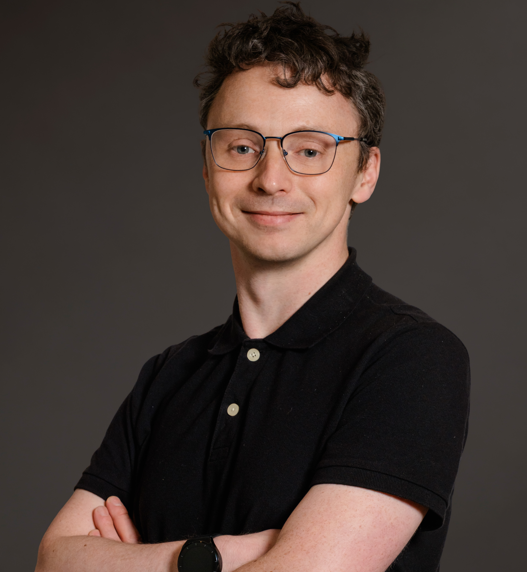
Although the Earth’s surface feels solid and stable beneath our feet, deep underground lies a complex and dynamic network of fluids coursing through rock. From groundwater to oil to gas, Dr. Oliver Warr studies how these hidden systems behave — and what they mean for some of today’s most urgent environmental challenges like climate change and sustainable resource management.
An Assistant Professor in the Department of Earth and Environmental Sciences at the University of Ottawa, Warr examines how underground fluids migrate, interact and evolve over time. Some processes unfold over months. Others stretch across millions or even billions of years. Understanding where these fluids originate, how quickly they move and how they change over time is essential for informed decision-making about resource development, carbon capture and long-term environmental protection.
Take groundwater, for example. “Around 40 percent of the water used for drinking and agriculture worldwide actually comes from underground reservoirs,” he notes. Protecting these systems requires precise knowledge of how water travels through rock and how contaminants may spread. That insight supports more reliable access to a resource that communities depend on every day.
Warr’s work also addresses the management of industrial by-products, including carbon dioxide. Geological formations are being considered as long-term storage sites to reduce greenhouse gas emissions. Warr’s research helps determine whether these sites can safely contain carbon dioxide and other harmful by products of society, such as nuclear waste, helping hazardous materials remain, in his words, “under geologic lock and key.”
By revealing how fluids move and evolve beneath the Earth’s surface, Dr. Oliver Warr’s research is advancing climate change solutions and supporting safer, more effective approaches to resource use and environmental protection.